Physical Therapy Clinic Scheduling System: 11 Proven Ways to Streamline Operations and Boost Patient Care
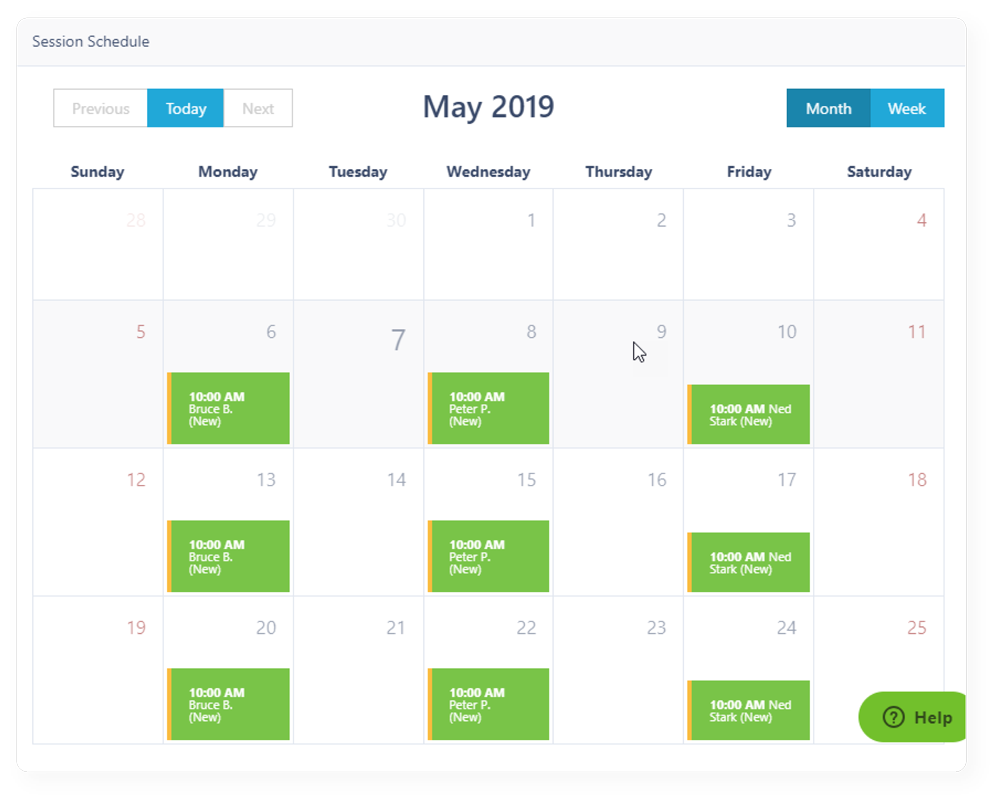
Introduction to Physical Therapy Clinic Scheduling Systems
A well-run clinic depends on accurate timing, clear communication, and efficient coordination. A physical therapy clinic scheduling system is the backbone that keeps therapists, patients, rooms, and equipment aligned throughout the day. When schedules are disorganized, clinics face double bookings, long wait times, staff stress, and lost revenue.
As patient demand grows and clinics expand services, scheduling can no longer rely on manual methods alone. Modern clinics now turn to digital solutions—often part of broader physical therapy clinic management software—to automate bookings, reduce errors, and improve the overall care experience. Many clinics adopt these tools as part of affordable scheduling software for physical therapists that centralizes daily operations.
This article explains what a clinic scheduling system is, how it works, key features, benefits, best practices, and what to look for when choosing the right solution.
What Is a Physical Therapy Clinic Scheduling System?
A physical therapy clinic scheduling system is a digital platform designed to manage appointments, therapist availability, treatment rooms, and patient visits in one centralized place. It supports the unique workflow of physical therapy, where appointments are often longer, recurring, and therapist-specific.
Core Functions
- Appointment booking and rescheduling
- Therapist and room coordination
- Recurring visit management
- Automated confirmations and reminders
- Real-time schedule visibility
When combined with physical therapy clinic management software, scheduling becomes part of a seamless operational ecosystem commonly found in comprehensive best scheduling software for physical therapists platforms.
Why Scheduling Is Critical for Physical Therapy Clinics
Scheduling directly impacts clinical outcomes, staff satisfaction, and revenue stability.
Clinical Impact
- Ensures consistent treatment schedules
- Reduces gaps in care
- Supports better recovery outcomes
Operational Impact
- Prevents overbooking and idle time
- Improves daily workflow predictability
- Reduces administrative burden
An effective physical therapy clinic scheduling system helps clinics deliver reliable, high-quality care while optimizing operational efficiency.
How a Physical Therapy Clinic Scheduling System Works
Step 1: Appointment Request
Patients request appointments by phone, online booking, or referral.
Step 2: Availability Matching
The system checks therapist specialization, availability, and room capacity to ensure the right match.
Step 3: Confirmation and Reminders
Once booked, automated confirmations and reminders are sent to patients via email or SMS, creating an efficient communication loop.
Step 4: Ongoing Schedule Management
Cancellations, reschedules, and recurring visits are managed in real time, ensuring flexibility and responsiveness.
This structured workflow keeps the physical therapy clinic scheduling system accurate and adaptable to the dynamic needs of both staff and patients.
Key Features of a Physical Therapy Clinic Scheduling System
Centralized Scheduling Dashboard
Staff can view all appointments, therapists, and rooms at a glance, streamlining the management process.
Therapist-Specific Scheduling
Patients are matched with the right therapist based on care needs and availability, supporting tailored treatment.
Recurring Appointment Automation
Long-term treatment plans are scheduled easily without manual repetition, which enhances workflow efficiency.
Automated Reminders
Email and SMS reminders reduce missed appointments and late cancellations, making them a critical feature for clinic success.
Integration with Clinic Management Tools
A strong system works seamlessly with physical therapy clinic management software for billing, documentation, and reporting, creating a unified operational framework.
Benefits of Using a Physical Therapy Clinic Scheduling System
1. Improved Efficiency
Automation reduces manual scheduling tasks and errors, allowing staff to focus on patient care.
2. Reduced No-Shows
Consistent reminders help patients stay on track with appointments, contributing to better treatment adherence.
3. Better Patient Experience
Clear scheduling and shorter wait times increase satisfaction and enhance the overall experience for patients.
4. Optimized Therapist Utilization
Balanced schedules prevent burnout and downtime for therapists, allowing them to provide better care.
5. Increased Revenue Consistency
Fewer missed visits mean steadier income, helping clinics maintain financial health.
Overall, a physical therapy clinic scheduling system improves both care delivery and business performance, ensuring that clinics can thrive even as patient loads increase.
Scheduling System vs Manual Scheduling
| Aspect | Manual Scheduling | Digital Scheduling System |
|---|---|---|
| Accuracy | Prone to errors | Real-time updates |
| Time required | High | Low |
| No-show reduction | Limited | Automated reminders |
| Scalability | Poor | Excellent |
Digital scheduling clearly outperforms manual methods, especially as clinics grow and patient demand rises. For a deeper dive, explore our article on appointment scheduling challenges in physical therapy clinics.
How Scheduling Fits into Physical Therapy Clinic Management Software
Scheduling is most powerful when it’s part of a complete system.
Physical therapy clinic management software often includes:
- Scheduling and calendar management
- Billing and insurance workflows
- Clinical documentation
- Reporting and analytics
This integration reduces duplicate data entry and creates a smoother experience for staff and patients, ultimately leading to better patient outcomes.
Best Practices for Using a Clinic Scheduling System
Standardize Appointment Types
Define session lengths for evaluations, follow-ups, and specialty treatments to maintain consistency.
Set Clear Scheduling Rules
Establish buffer times, cancellation policies, and daily limits to avoid overwhelming staff and resources.
Train Staff Thoroughly
Ensure everyone knows how to manage and adjust schedules correctly, maximizing the scheduling system’s potential.
Review Scheduling Metrics
Track no-shows, utilization rates, and patient wait times to identify areas for improvement; utilizing analytics can be a game-changer in understanding your clinic's scheduling performance.
Applying these practices maximizes the value of a physical therapy clinic scheduling system and enhances operational efficiency.
Choosing the Right Physical Therapy Clinic Scheduling System
When evaluating options, clinics should consider:
- Ease of use for staff and patients
- Customization for therapy workflows
- Integration with existing systems
- Data security and compliance
- Quality of customer support
The right scheduling solution becomes a long-term asset, facilitating day-to-day operations effectively and enhancing service delivery.
Future Trends in Physical Therapy Clinic Scheduling Systems
Scheduling technology continues to evolve, with innovative features enhancing clinic operations:
- AI-driven schedule optimization
- Predictive no-show analytics
- Integrated telehealth scheduling
- Personalized patient communication
Clinics adopting modern physical therapy clinic management software with advanced scheduling capabilities gain a competitive edge in the healthcare landscape.
FAQs About Physical Therapy Clinic Scheduling Systems
What is a physical therapy clinic scheduling system?
It’s a digital tool that manages appointments, therapists, and clinic resources efficiently.How does it reduce no-shows?
Through automated reminders and easy rescheduling options that keep patients informed.Can it handle recurring appointments?
Yes, recurring sessions are a core feature of these systems.Is scheduling included in clinic management software?
Most physical therapy clinic management software includes scheduling as a core module, providing a comprehensive solution.Is it suitable for small clinics?
Yes, it scales easily for clinics of all sizes, meeting diverse operational needs.Does better scheduling improve patient outcomes?
Consistent appointments support better treatment adherence and recovery, enhancing overall patient satisfaction. For tips on optimizing scheduling practices, check out our guide on outpatient physical therapy scheduling best practices.
Conclusion
A physical therapy clinic scheduling system is essential for delivering reliable care and running an efficient clinic. By automating appointments, reducing errors, and integrating with best scheduling software for physical therapists, clinics can improve patient satisfaction, support staff, and grow sustainably. Investing in the right scheduling system turns daily operations into a strategic advantage, paving the way for enhanced care delivery and financial stability.
Explore options like patient self-booking for physical therapy clinics and affordable scheduling software for physical therapists to further enrich your clinic's operational capabilities while ensuring a smooth patient journey.