Physical Therapy Appointment Scheduling Explained: 9 Essential Insights for Smarter Clinics
Introduction to Physical Therapy Appointment Scheduling
Effective physical therapy appointment scheduling is the backbone of a well-run physical therapy clinic. Every session, therapist, treatment room, and patient interaction depends on a scheduling system that is accurate, flexible, and easy to manage. When scheduling breaks down, clinics face double bookings, long wait times, missed appointments, and unhappy patients.
As patient volumes increase and expectations shift toward digital convenience, appointment scheduling for physical therapy clinics has evolved from simple paper calendars into sophisticated digital workflows. Today, clinics rely on structured scheduling processes and software-driven systems to deliver better care while staying operationally efficient. For a broader look at the systems that support these workflows, clinics can reference this ultimate guide to physical therapy scheduling software.
What Is Physical Therapy Appointment Scheduling?
Physical therapy appointment scheduling refers to the process of organizing, managing, and confirming patient visits for physical therapy services. Unlike standard medical appointments, physical therapy sessions are often recurring, time-intensive, and therapist-specific.
Key Elements of Scheduling
- Matching patients with the right therapist
- Managing appointment duration and frequency
- Coordinating rooms and equipment
- Tracking cancellations and reschedules
Because treatment plans usually span weeks or months, appointment scheduling for physical therapy clinics must support long-term care continuity.
Why Physical Therapy Appointment Scheduling Is So Important
Scheduling directly impacts both patient outcomes and clinic revenue. Poor scheduling can lead to gaps in care, therapist burnout, and financial losses.
Operational Importance
- Prevents overbooking and therapist overload
- Reduces administrative confusion
- Improves daily workflow predictability
Patient-Centered Importance
- Minimizes waiting times
- Ensures consistent treatment schedules
- Builds trust and professionalism
Strong physical therapy appointment scheduling creates a positive experience for everyone involved.
How Physical Therapy Appointment Scheduling Works
Step 1: Patient Intake and Availability
The process begins when a patient requests an appointment—by phone, online form, or referral. Availability is checked based on therapist specialization and schedule goals.
Step 2: Appointment Matching
Patients are assigned appropriate time slots that align with treatment needs, therapist availability, and room capacity, making it crucial for clinics to utilize efficient scheduling software for rehab clinics.
Step 3: Confirmation and Reminders
Once booked, confirmations and reminders help ensure attendance and reduce no-shows. Automated reminders have become a vital component in avoiding missed appointments.
Step 4: Ongoing Schedule Management
Rescheduling, cancellations, and recurring sessions are handled continuously throughout the treatment plan, creating a structured approach to ensure physical therapy appointment scheduling remains smooth and predictable.
Common Challenges in Physical Therapy Appointment Scheduling
Despite best efforts, clinics often face scheduling issues.
Double Bookings
Manual systems can accidentally assign two patients to the same therapist or room, which can disrupt the entire day's practice.
High No-Show Rates
Without reminders or easy rescheduling, patients may forget or cancel late, contributing to increased patient flow difficulties.
Complex Recurring Appointments
Managing multi-week treatment plans manually increases the risk of errors, leading to miscommunication and dissatisfaction.
Staff Burnout
Front-desk staff spend excessive time adjusting schedules instead of supporting patients, which can harm morale and service quality.
These challenges highlight why appointment scheduling for physical therapy clinics must be well-structured and technology-supported.
Best Practices for Physical Therapy Appointment Scheduling
Standardize Appointment Types
Define clear time blocks for evaluations, follow-ups, and specialized treatments, ensuring that everyone knows what to expect when they arrive.
Use Clear Scheduling Rules
Set limits for daily patient volume, buffer times, and therapist workload, aligning resources with patient demand.
Plan for Recurring Visits
Schedule follow-up sessions in advance to ensure treatment consistency, improving continuity of care for patients.
Track and Analyze No-Shows
Understanding no-show patterns helps clinics adjust scheduling strategies effectively based on patient behavior.
Following these best practices strengthens physical therapy appointment scheduling across the clinic and ensures better patient experiences.
The Role of Digital Tools in Appointment Scheduling
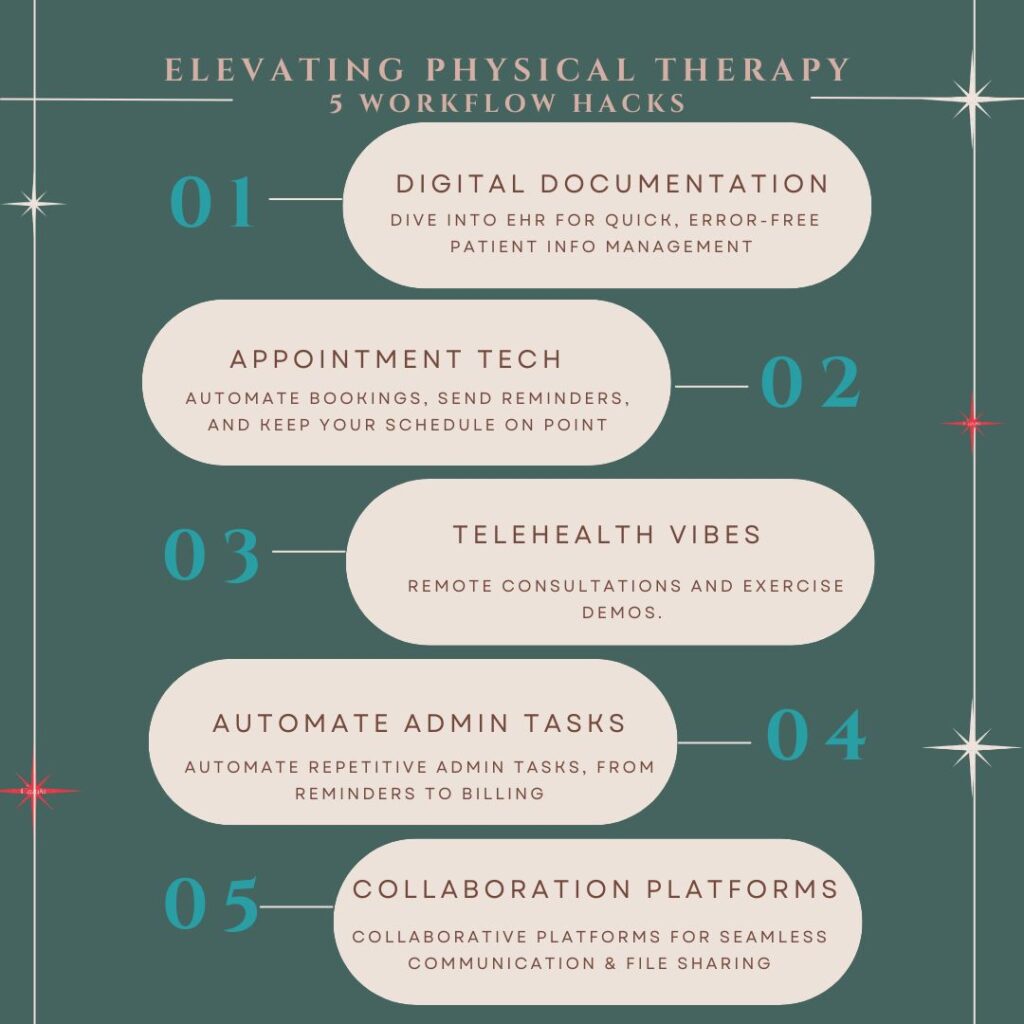
Modern clinics increasingly rely on digital systems to manage scheduling.
Online Booking
Patients can request or book appointments 24/7, reducing phone traffic. Many clinics now emphasize online booking for physical therapists to streamline this process.
Automated Reminders
Text and email reminders significantly reduce missed visits by sending alerts directly to patients.
Real-Time Schedule Visibility
Staff can instantly see therapist availability and room usage, leading to more informed decisions and efficient workload management.
Data Accuracy
Digital systems minimize human error and improve record-keeping, creating a seamless flow of information and helping clinics maintain proper compliance.
With digital support, appointment scheduling for physical therapy clinics becomes faster, more accurate, and scalable, further enhancing patient care.
Benefits of Optimized Physical Therapy Appointment Scheduling
1. Improved Patient Attendance
Clear scheduling and reminders keep patients on track with treatment.
2. Better Therapist Utilization
Balanced schedules prevent overload and downtime, maximizing therapist productivity.
3. Increased Revenue Stability
Fewer missed appointments mean more consistent income, contributing positively to clinic operations.
4. Enhanced Patient Satisfaction
Easy booking and smooth visits create a better care experience, crucial for retaining patients long-term.
5. Reduced Administrative Burden
Staff spend less time fixing scheduling issues, allowing them to focus more on patient engagement and care delivery.
Optimized physical therapy appointment scheduling benefits every level of the clinic, leading to greater operational success.
Scheduling for Different Types of Physical Therapy Clinics
Small Clinics
Focus on simplicity, flexibility, and personal patient relationships, ensuring a bespoke approach to care.
Multi-Location Clinics
Require centralized scheduling visibility and standardized rules for consistency across different sites.
Specialty Practices
Need longer sessions and therapist-specific matching to accommodate unique treatment requirements efficiently.
Each setting requires a tailored approach to appointment scheduling for physical therapy clinics to maintain high standards of care.
Measuring Scheduling Performance
Tracking scheduling performance helps clinics improve over time, facilitating continuous development and patient satisfaction.
| Metric | Why It Matters |
|---|---|
| No-show rate | Indicates patient engagement |
| Therapist utilization | Shows scheduling efficiency |
| Average wait time | Impacts patient satisfaction |
| Cancellation frequency | Highlights scheduling gaps |
Monitoring these metrics strengthens physical therapy appointment scheduling strategies, leading to improved outcomes for both patients and clinics.
Future Trends in Physical Therapy Appointment Scheduling
The future of scheduling is increasingly intelligent and patient-focused. Expect to see:
- Predictive scheduling based on attendance history
- AI-assisted schedule optimization
- Integrated telehealth appointments
- Personalized patient reminders for recurrence and follow-up
Clinics that adapt early will stay competitive and patient-friendly, leveraging the latest trends to enhance overall service delivery.
FAQs About Physical Therapy Appointment Scheduling
What is physical therapy appointment scheduling? It is the process of organizing and managing patient visits for physical therapy treatments.
Why is appointment scheduling for physical therapy clinics more complex? Because therapy often involves recurring sessions, specific therapists, and longer appointment times, making organization challenging.
How can clinics reduce no-shows? Using reminders, clear policies, and easy rescheduling options can significantly decrease no-show rates.
Can patients schedule appointments online? Yes, many clinics now offer digital booking options, simplifying the process for patients.
How far in advance should appointments be scheduled? Recurring sessions are often scheduled weeks ahead to ensure treatment continuity and maximize patient outcome.
Does better scheduling improve patient outcomes? Yes, consistent appointments support better recovery and adherence to care plans, leading to more effective treatment.
Conclusion
Physical therapy appointment scheduling plays a critical role in clinic success. When done right, it improves efficiency, supports therapists, and enhances patient satisfaction. By adopting structured processes, best practices, and modern tools, appointment scheduling for physical therapy clinics becomes a strategic advantage rather than a daily challenge.